Ha Tinh leverages its seaport advantages to develop logistics services
Home to the Vung Ang – Son Duong deep-water port cluster and strategically positioned to connect with the East–West Economic Corridor, Ha Tinh is steadily enhancing its port capacity, expanding room for import and export growth and developing logistics services.
From a deep-water port advantage to a key “link” in the logistics chain
Ha Tinh has a coastline of more than 137 km, where the Vung Ang – Son Duong port cluster enjoys favourable natural conditions, with water depths ranging from -11 m to -22 m and minimal sedimentation. This is an important foundation for developing a deep-water port system that serves large-scale cargo transport and connects with regional and international markets.
The province currently has 7 port terminals with 22 operational berths; the Vung Ang – Son Duong area alone accounts for 5 terminals with 19 berths. This system is effectively serving key industries such as steelmaking, energy and high-tech industry, while also acting as an important hub for Ha Tinh’s import and export activities.
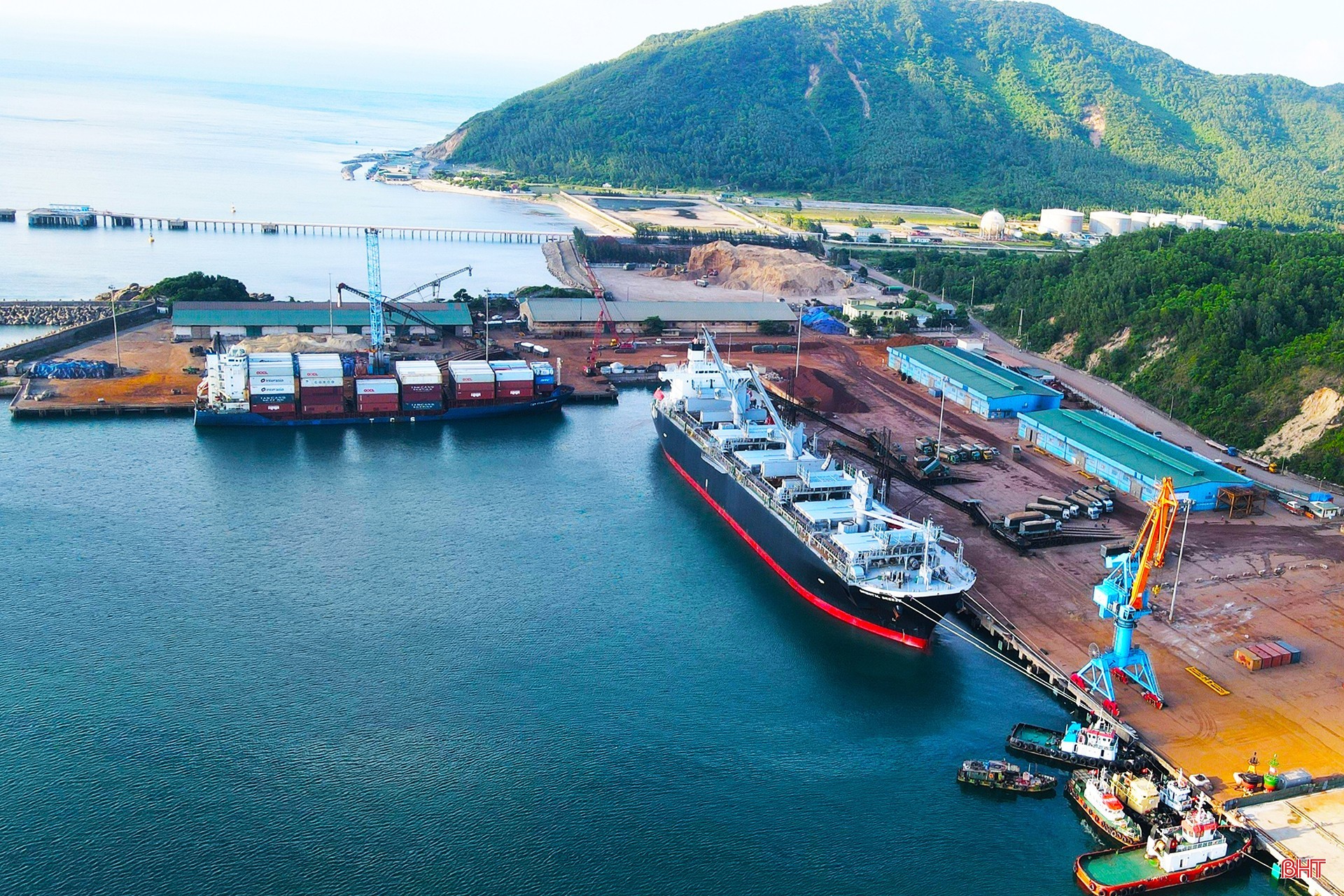
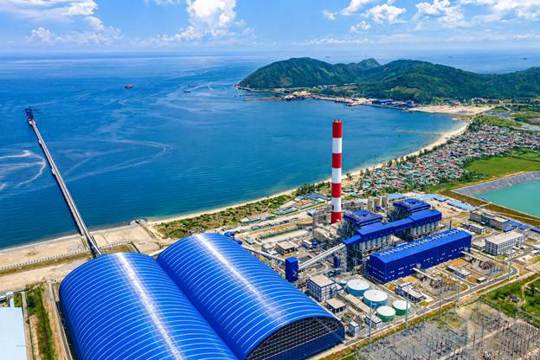
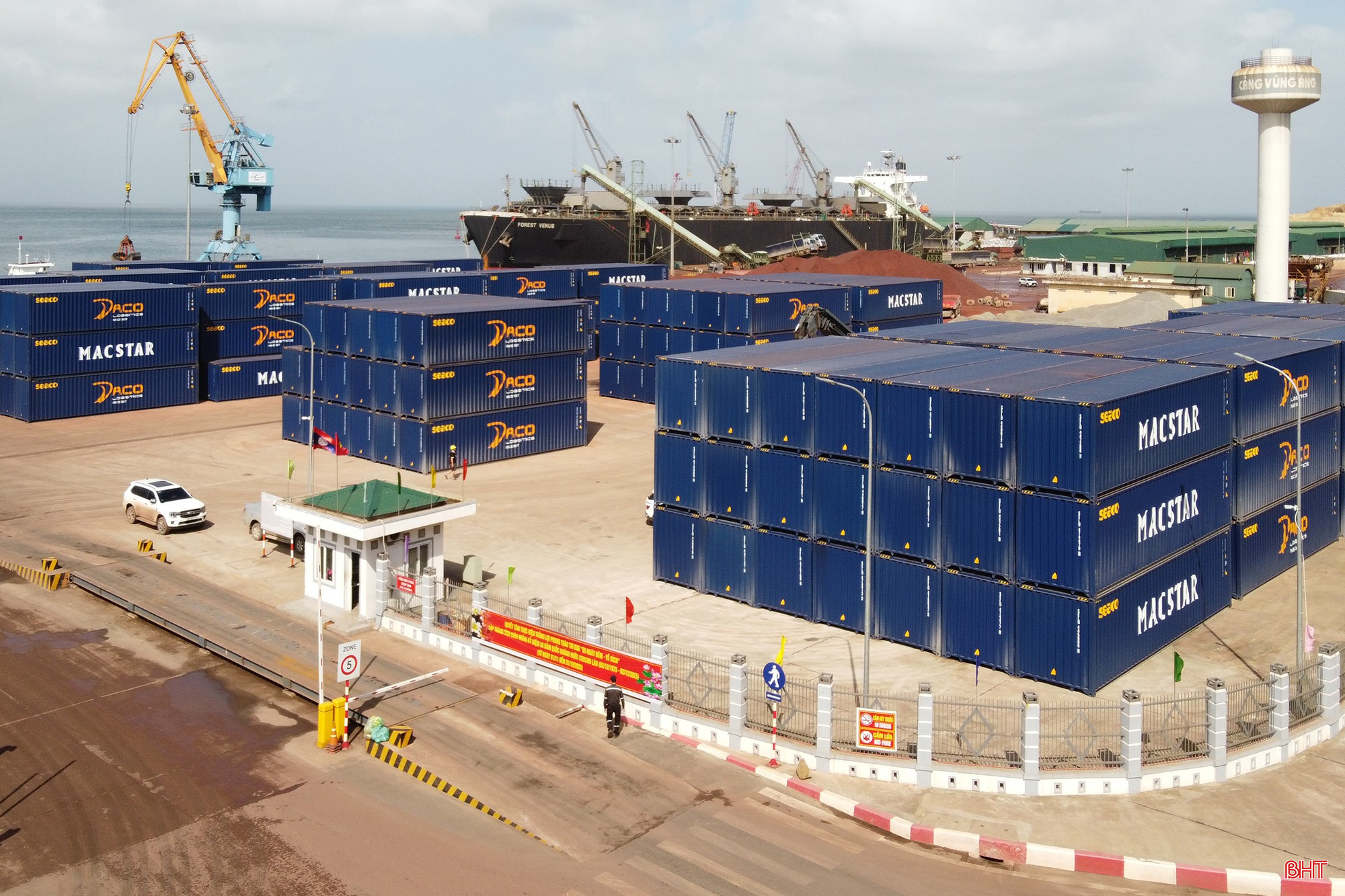
A corner of Vung Ang Port.
A notable milestone came in April 2025, when Lao – Viet International Port Joint Stock Company put Terminal No. 3 into operation. With a total investment of more than VND 1,000 billion, the berth can accommodate general cargo vessels of up to 45,000 DWT, raising the company’s capacity from 4.5 million to 6 million tonnes of cargo per year.
According to Mr. Pham Xuan Minh, Director of Tan Truong Phat Co., Ltd., a company specialising in exporting wood chips through Vung Ang Port, the commissioning of Terminal No. 3 has made it easier for the company to arrange vessel schedules and handle cargo, thereby saving time and reducing logistics costs.
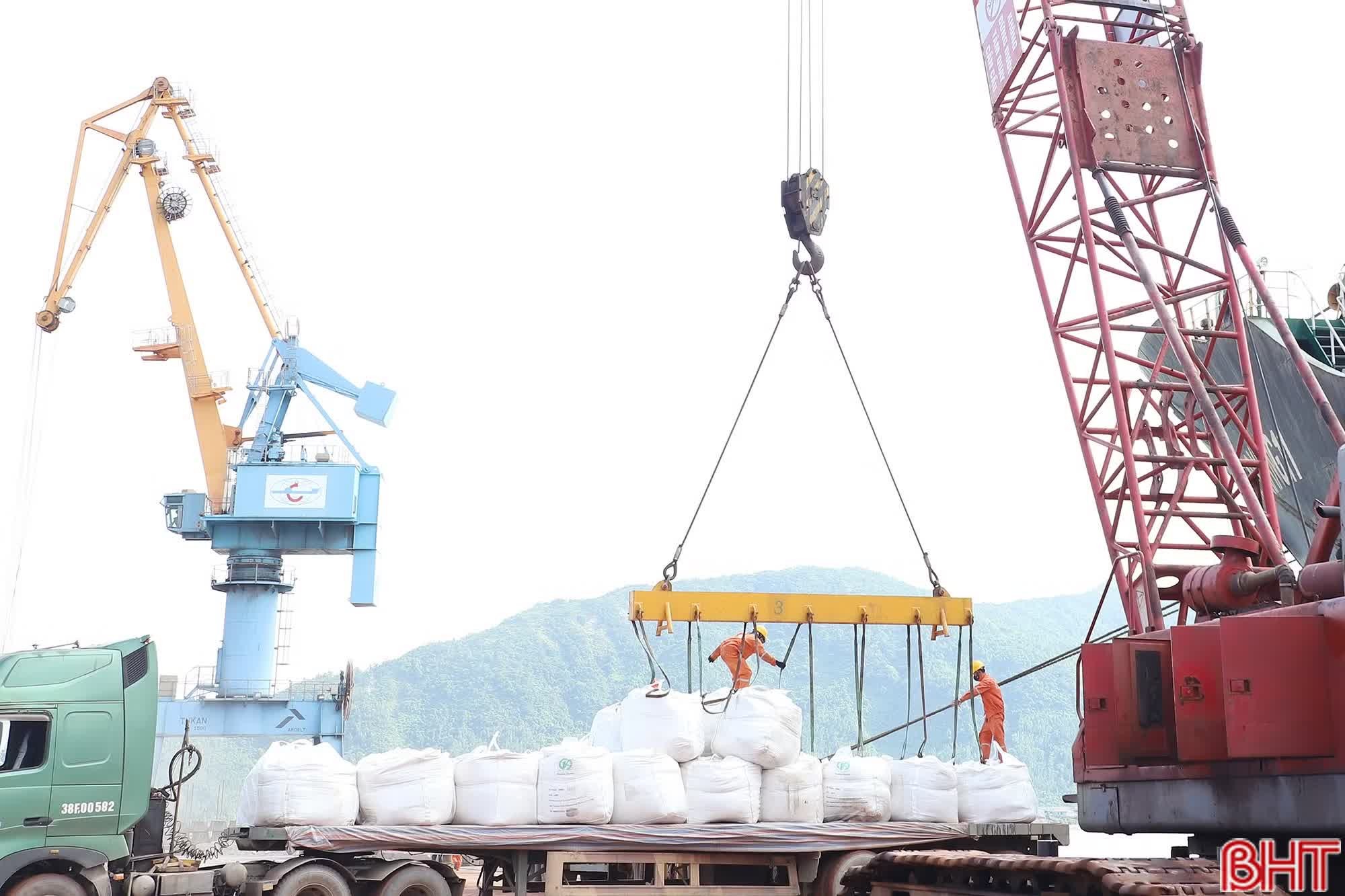
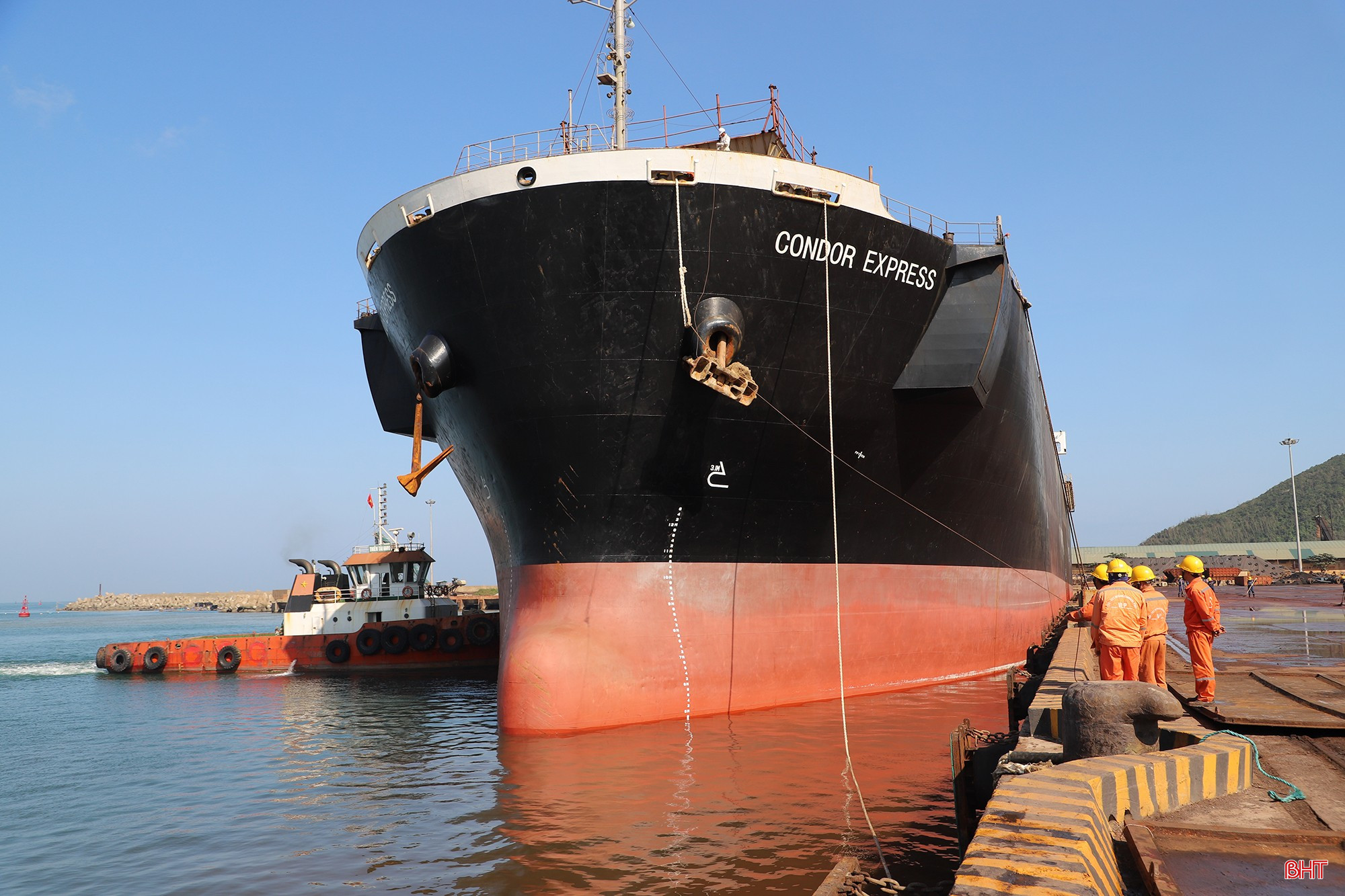
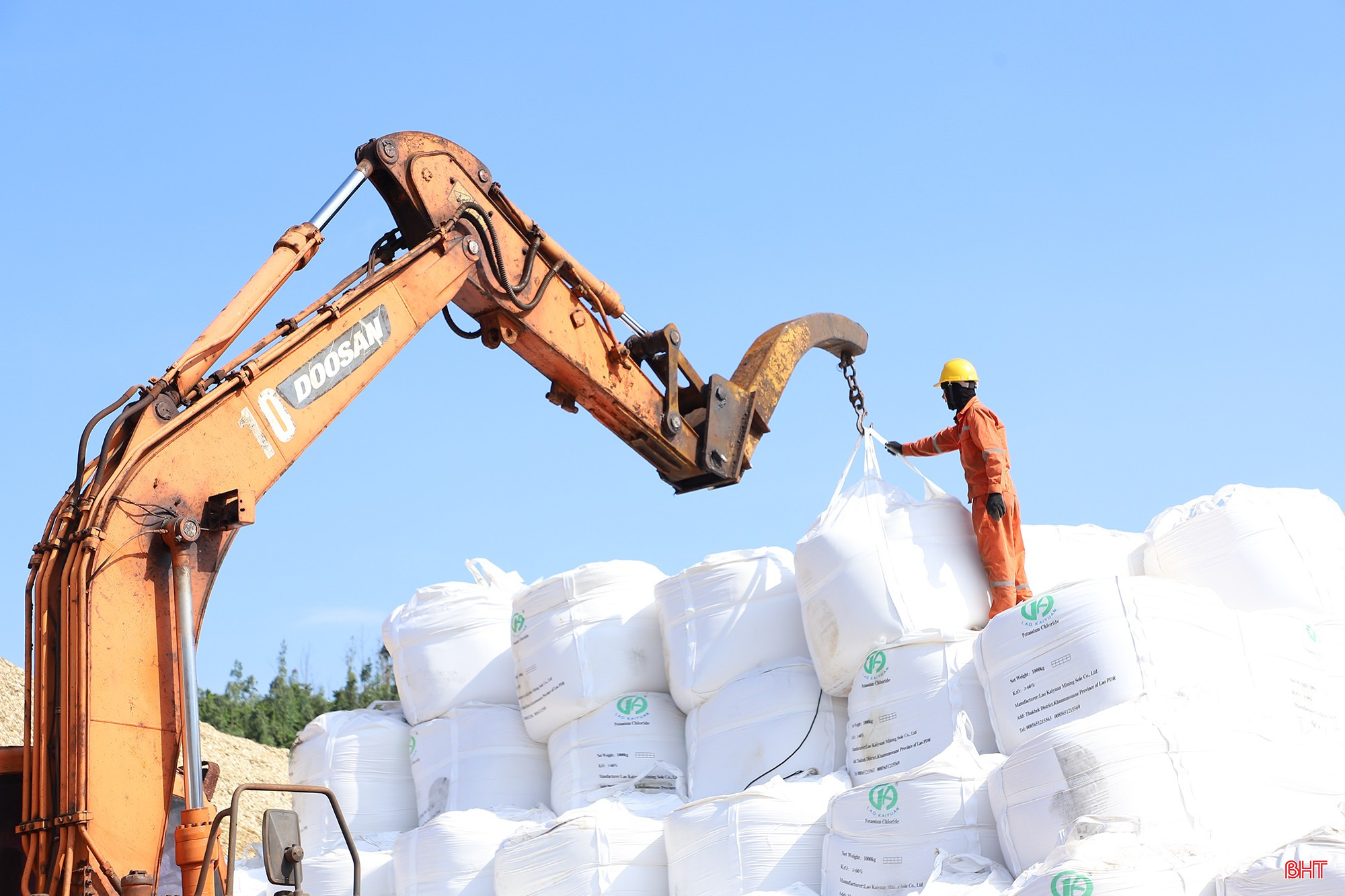
Lao – Viet International Port Joint Stock Company put Terminal No. 3 into operation in April 2025.
At the Son Duong – Formosa Ha Tinh port area, the specialised port system plays an important role in the steel production chain. The port area currently has 13 berths capable of receiving vessels of up to 200,000 DWT, along with 12 service berths for official-duty vessels and tugboats. It is the gateway for receiving large volumes of raw materials for production, while also shipping steel products to domestic and international markets. In addition, the specialised terminals of Vung Ang I Thermal Power Plant, Vung Ang II Thermal Power Plant and the LPG and petroleum terminal handle coal, fuel and goods for production.
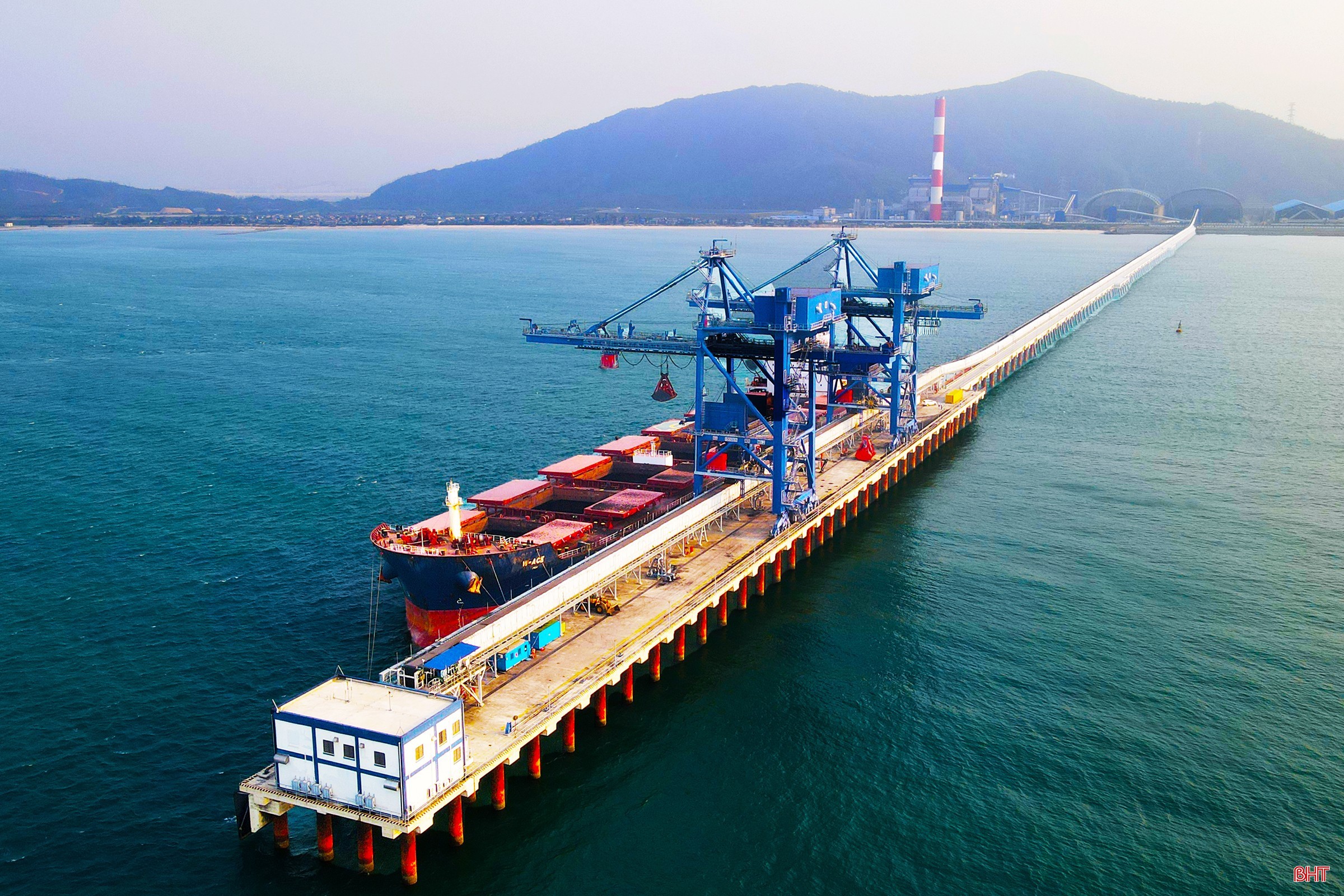
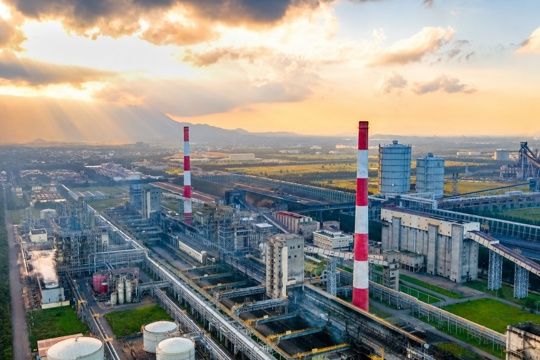
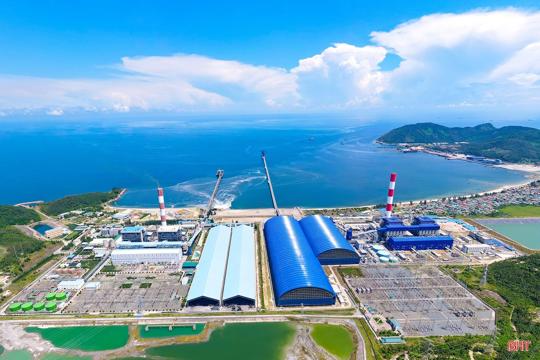
The berth system of Vung Ang II Thermal Power Plant.
Mr. Hoang Trong Binh, Deputy General Director of Vung Ang II Thermal Power Co., Ltd., said: “The plant’s port is 2,000 m long and can receive bulk carriers of up to 100,000 DWT, with a capacity of 4.6 million tonnes per year. As a result, coal is supplied to the plant in a stable manner, supporting the generation of 7.8 billion kWh of electricity per year and contributing to Ha Tinh’s economic growth.”
Developing port infrastructure, expanding room for growth
Alongside the terminals already in operation, new projects in Vung Ang – Son Duong are gradually increasing the capacity for receiving, loading, unloading and transshipping cargo, broadening the scope for logistics and industrial development.
In the Vung Ang area, Terminal No. 4, invested by Hoanh Son Group Joint Stock Company with more than VND 1,400 billion, has a berth designed to accommodate general cargo vessels of 40,000 DWT and container ships of 4,000 TEU, with a capacity of about 2.3 million tonnes per year.
Mr. Tran Quang Thuong, Deputy General Director of Hoanh Son Group Joint Stock Company, said: “The project has completed more than 90% of its workload. The company is concentrating all its resources on urgently finishing the remaining items, striving to put Terminal No. 4 into commercial operation before 31 December 2026.”
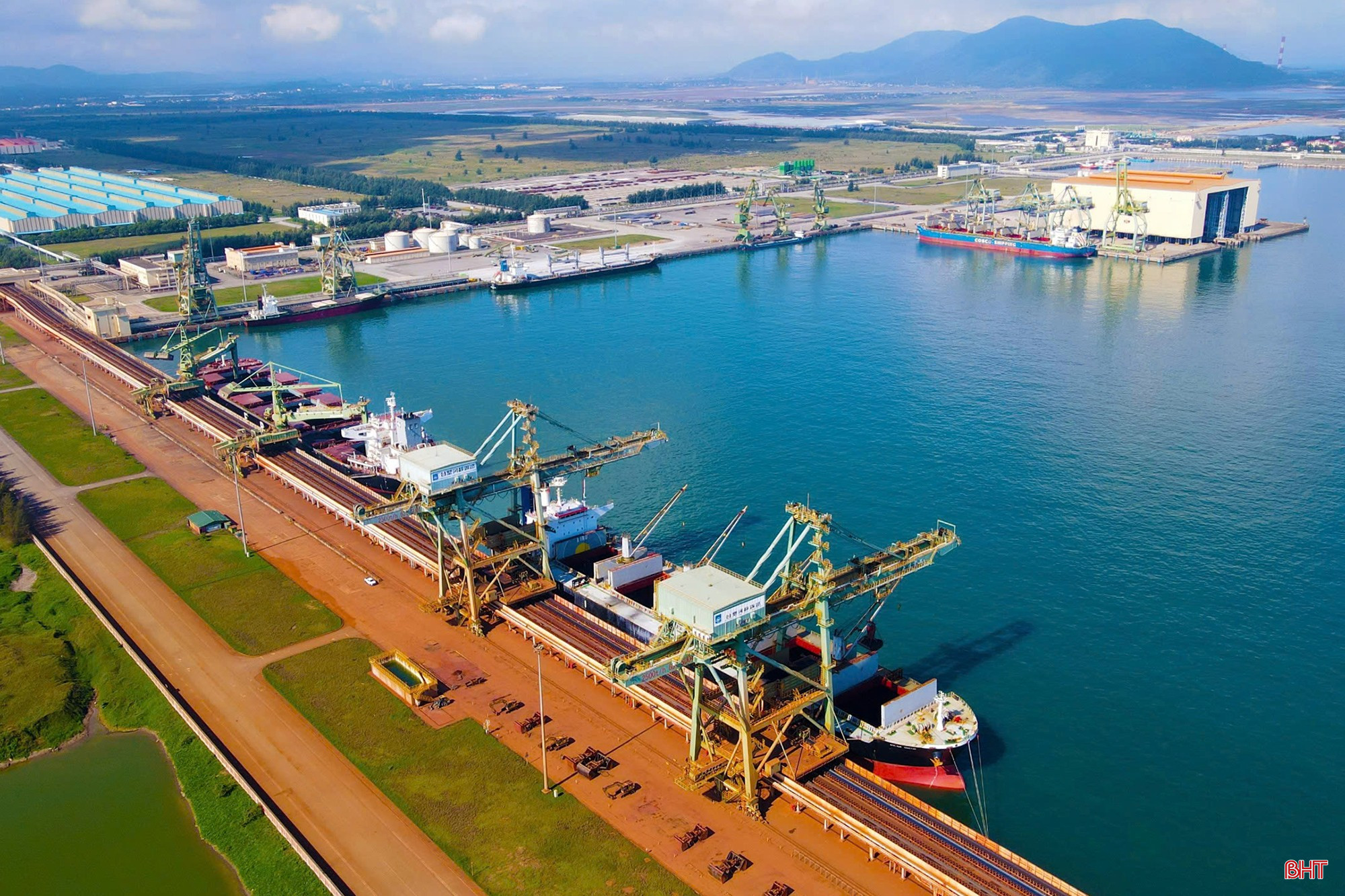
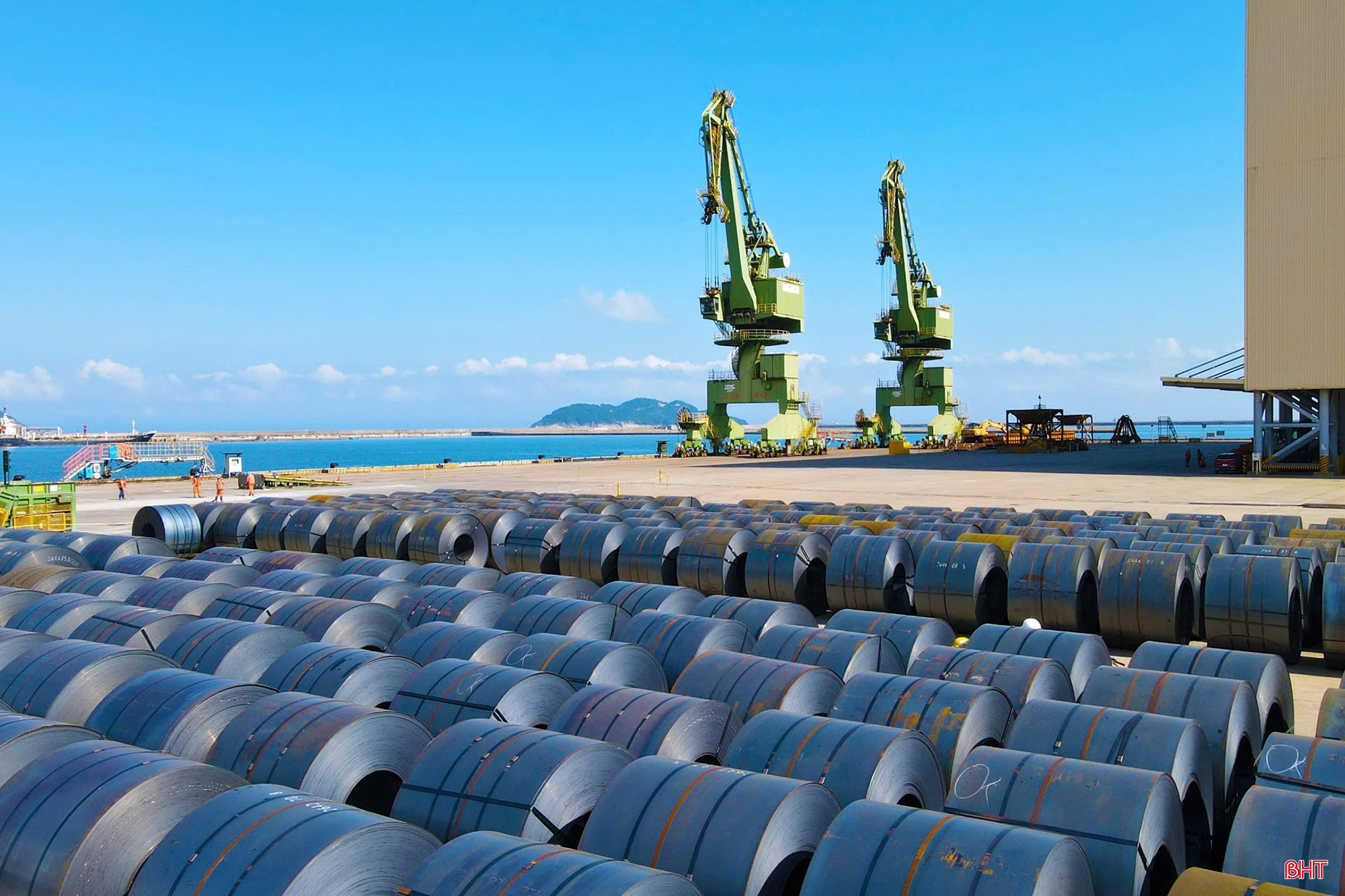
At the Son Duong – Formosa Ha Tinh port area, the specialised port system plays an especially important role in the steel production chain.
Meanwhile, Son Duong International Port is being developed by Vinhomes Ha Tinh Industrial Park Investment Joint Stock Company with a total investment of more than VND 8,800 billion. The project comprises 3 berths able to receive vessels of up to 100,000 DWT, with a designed capacity of 9 – 11.3 million tonnes per year, and is expected to be completed in 2028.
Once in operation, these projects will not only increase port capacity but also lay the foundation for logistics, supply and production chains linked to metallurgy, energy, processing and manufacturing, automobiles, electric motorbikes and supporting industries. This will expand the role of Vung Ang Economic Zone in regional industrial and trade chains.
Mr. To Thai Hoa, Deputy Director of the Ha Tinh Department of Construction, said that under the Master Plan for the Development of Viet Nam’s Seaport System for the 2021 – 2030 period, with a vision to 2050, Ha Tinh seaport is classified as a Grade I seaport. Within it, the Vung Ang and Son Duong port areas serve inter-regional socio-economic development and handle part of the transit cargo for Laos and Thailand. The approved detailed plan also sets the target of cargo throughput at Ha Tinh seaport reaching 46.3 – 83.5 million tonnes by 2030. With a vision to 2050, the system will continue to expand with new terminals to meet cargo demand projected to grow by an average of 3.6 – 4.5% per year.
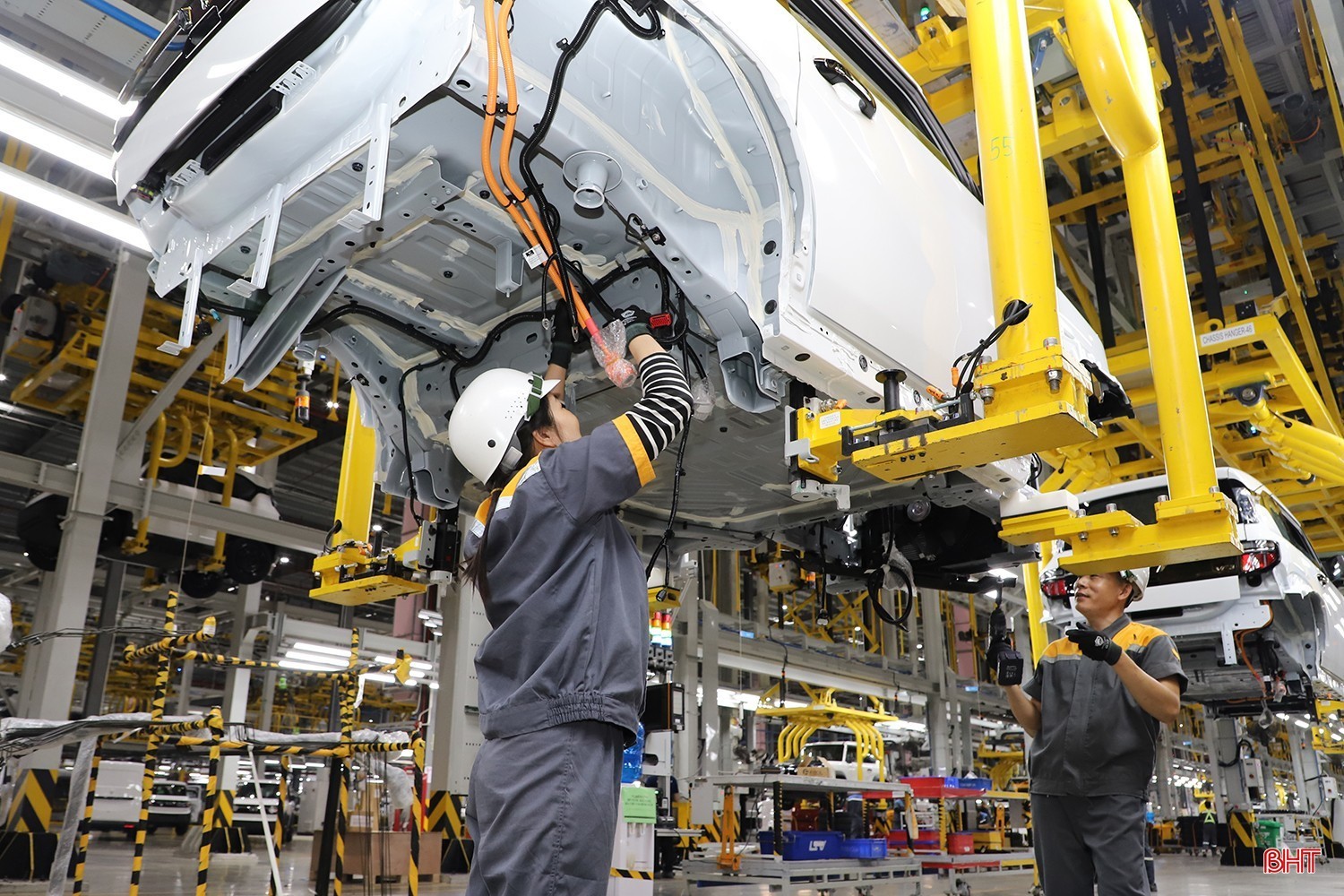
Ha Tinh’s seaport system is effectively serving the province’s key industries.
Also according to Mr. To Thai Hoa, the province is proposing to adjust the planning of Son Duong International Port to add the VinMetal port serving the VinMetal Steel Plant, as well as a general and bulk cargo port within the Cua Sot port area to serve the exploitation of the Thach Khe iron ore mine in the coming time.
Along with expanding port capacity, Ha Tinh is focusing on “solving the problem” of connectivity, gradually turning Vung Ang Economic Zone into a growth hub associated with the marine economy, industry, energy and logistics. Accordingly, the Vung Ang – Son Duong port system is connected with the eastern section of the North – South Expressway, the North – South high-speed railway, the Vung Ang – Mu Gia railway, the coastal road, border gates and the East – West Economic Corridor. Strategic transport routes such as the Vung Ang – Cha Lo Expressway, the North – South Expressway, the Ha Tinh – Cau Treo Expressway, National Highway 12C, the Vientiane – Vung Ang railway and other inter-regional transport projects are expected to open up more space for the flow of goods.
The Provincial Master Plan for the 2021 – 2030 period, with a vision to 2050, identifies logistics services as one of the four key economic sectors to create development breakthroughs. This orientation has been further specified in the adjusted provincial plan, which aims to make Ha Tinh an industrial, energy and logistics centre of the region and the whole country. Along with modernising port infrastructure, Ha Tinh is implementing policies to develop logistics services and exports.
Mr. Nguyen Anh Thang, General Director of Ha Tinh Minerals and Trading Corporation, said: “The corporation is submitting to the competent authorities for consideration and approval of the investment policy for the Vung Ang – Mitraco Logistics Centre project. If implemented, the project will make an important contribution to adding warehousing, storage and cargo transshipment capacity and developing logistics services, while enhancing connectivity and effectively harnessing the advantages of Vung Ang seaport.”
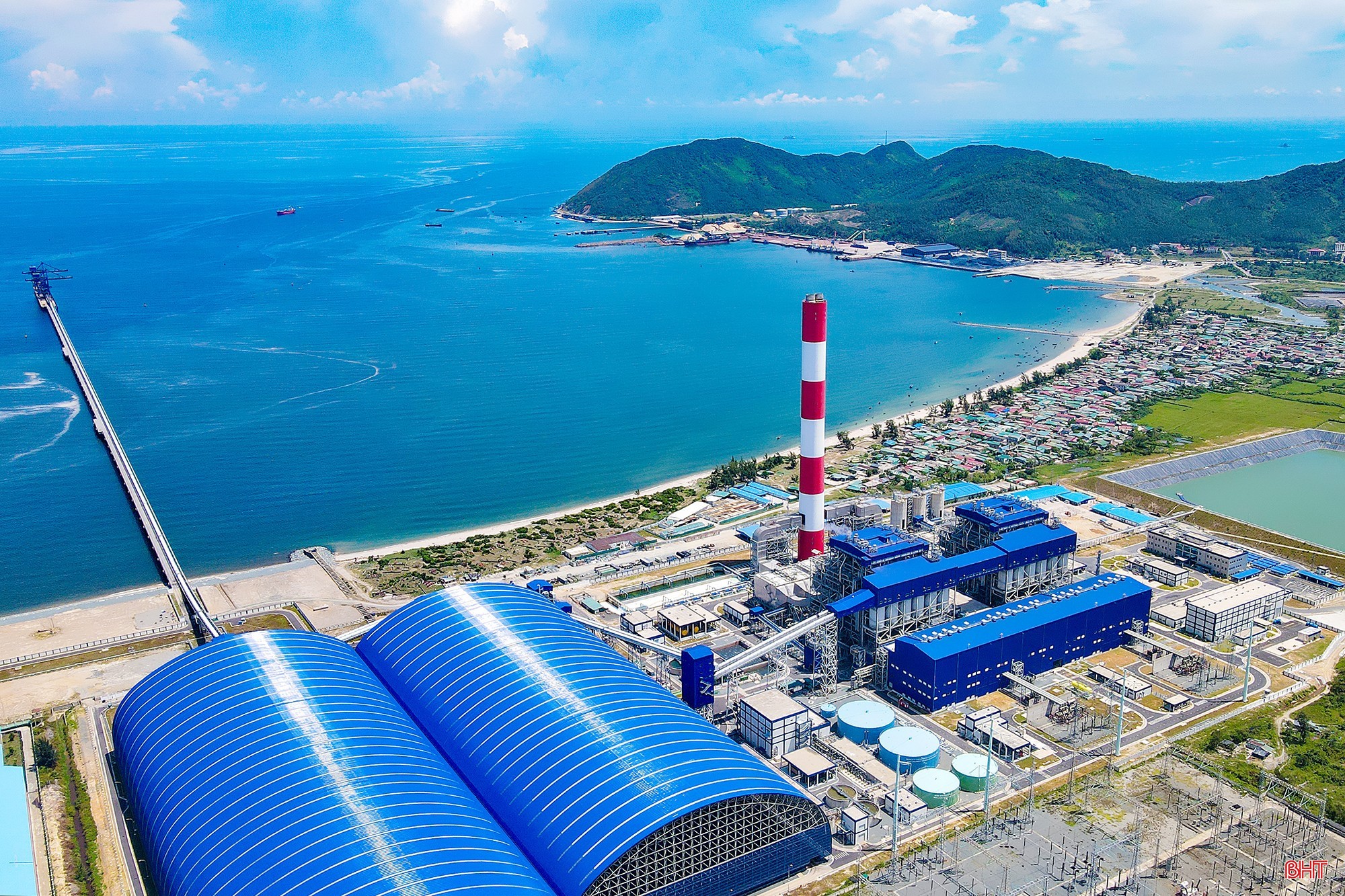
The Vung Ang – Son Duong area has 5 port terminals with 19 berths.
Mr. Nguyen Duc Tung, Director of the Ha Tinh Maritime Administration, said: “Seaport development goes hand in hand with ensuring maritime safety and security, protecting the environment and adapting to climate change. The Ha Tinh Maritime Administration will continue to perform well its function of state management of the maritime sector, monitor the investment in and operation of seaport infrastructure, and promptly coordinate in the implementation of port projects. At the same time, the unit will continue to promote the application of technology and digital transformation, gradually develop green seaports, and improve operational efficiency and service quality, contributing to building a modern seaport system.”