Ha Tinh – From high growth to substantive development
Ha Tinh expects its leading enterprises to continue creating more opportunities for local businesses to take part in development, contributing to improving people’s lives.

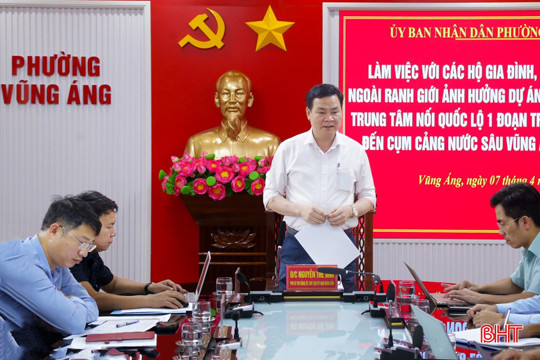
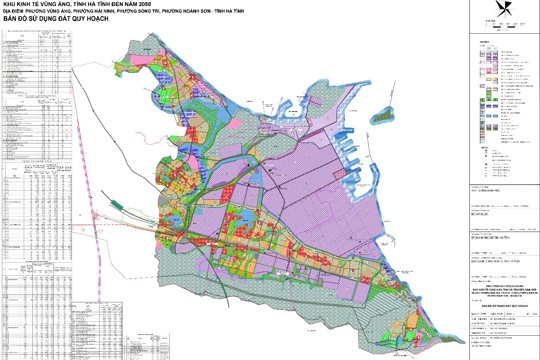
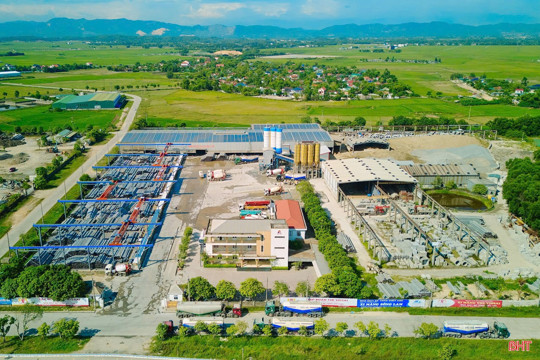
The expansion of Vung Ang Economic Zone creates more room for reorganizing the economic space.
Ha Tinh’s GRDP growth in the first nine months of 2026 was high, ranking among the leading provinces in the country, with many enterprises making large contributions to the state budget – an impressive result for the economy. Building on this foundation, what Ha Tinh’s Party committees, authorities and specialized sectors expect is for leading enterprises to continue to lead the way and create more opportunities for local businesses to participate in development, for the goal of constantly improving people’s lives.
GROWTH – NOT JUST ABOUT THE NUMBERS
In the bright picture of Ha Tinh’s growth in the first nine months of 2026, the industrial sector grew by 25.64%, continuing to serve as the main driving force. The production of automobiles, electricity, batteries and accumulators, steel and several other industrial products contributed to high and stable growth. In terms of budget revenue, according to data from the Ha Tinh Provincial Tax Department, the 10 largest domestic taxpayers contributed more than VND 2,200 billion in nine months. Leading the list was Saigon – Ha Tinh Beer One Member Co., Ltd. with more than VND 578 billion, followed by Formosa Ha Tinh with more than VND 327.6 billion, and VinFast Ha Tinh with more than VND 304 billion, etc. Notably, VinFast entered the group of the province’s 10 largest taxpayers for the first time.
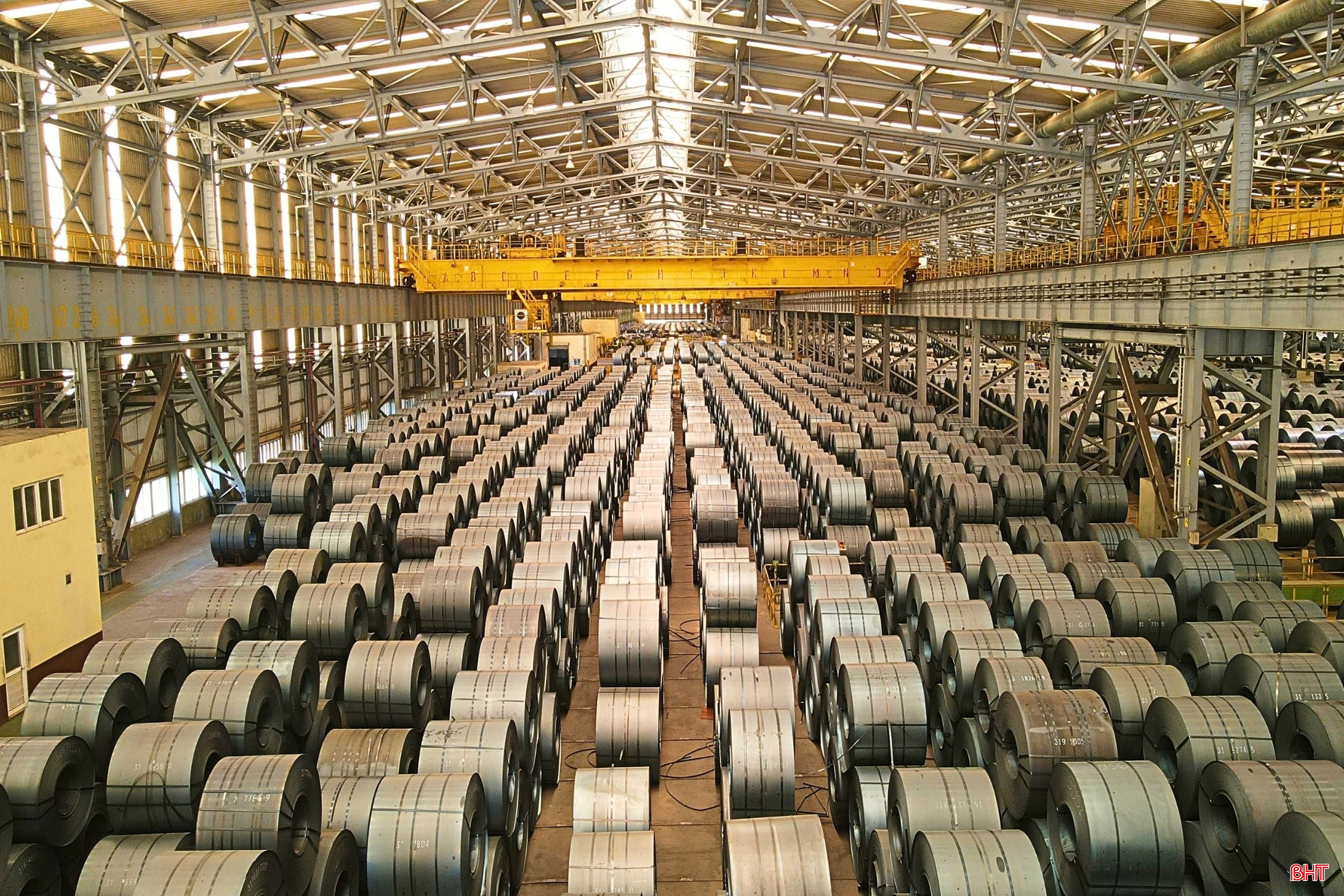
Formosa Ha Tinh continues to lead in budget contributions and job creation.
These commendable results reflect expanded production capacity and the role of key enterprises. However, an economy cannot be assessed solely by its GRDP growth rate or the revenue collected in a fixed period. The more important question is how much new value that growth creates, what kind of jobs and income it brings, and how resilient it makes the locality in the face of market fluctuations.
The above 10 enterprises contributed more than 35% of the taxes and fees within the statistical scope of the business community, cooperatives and household businesses – this is not their share of total state budget revenue in the province. The high concentration shows the clear role of leading enterprises, but also calls for monitoring the degree of dependence on a few industries, markets and large producers.
It is also necessary to distinguish between taxes paid and contribution to GRDP. Special consumption tax, taxes on goods, corporate income tax and other obligations arise through different mechanisms. Therefore, taxpayer rankings are not the same as rankings of productivity, added value or resource-use efficiency. Assessing the quality of growth requires looking at production, employment, wages, productivity, technology and environmental impact at the same time.
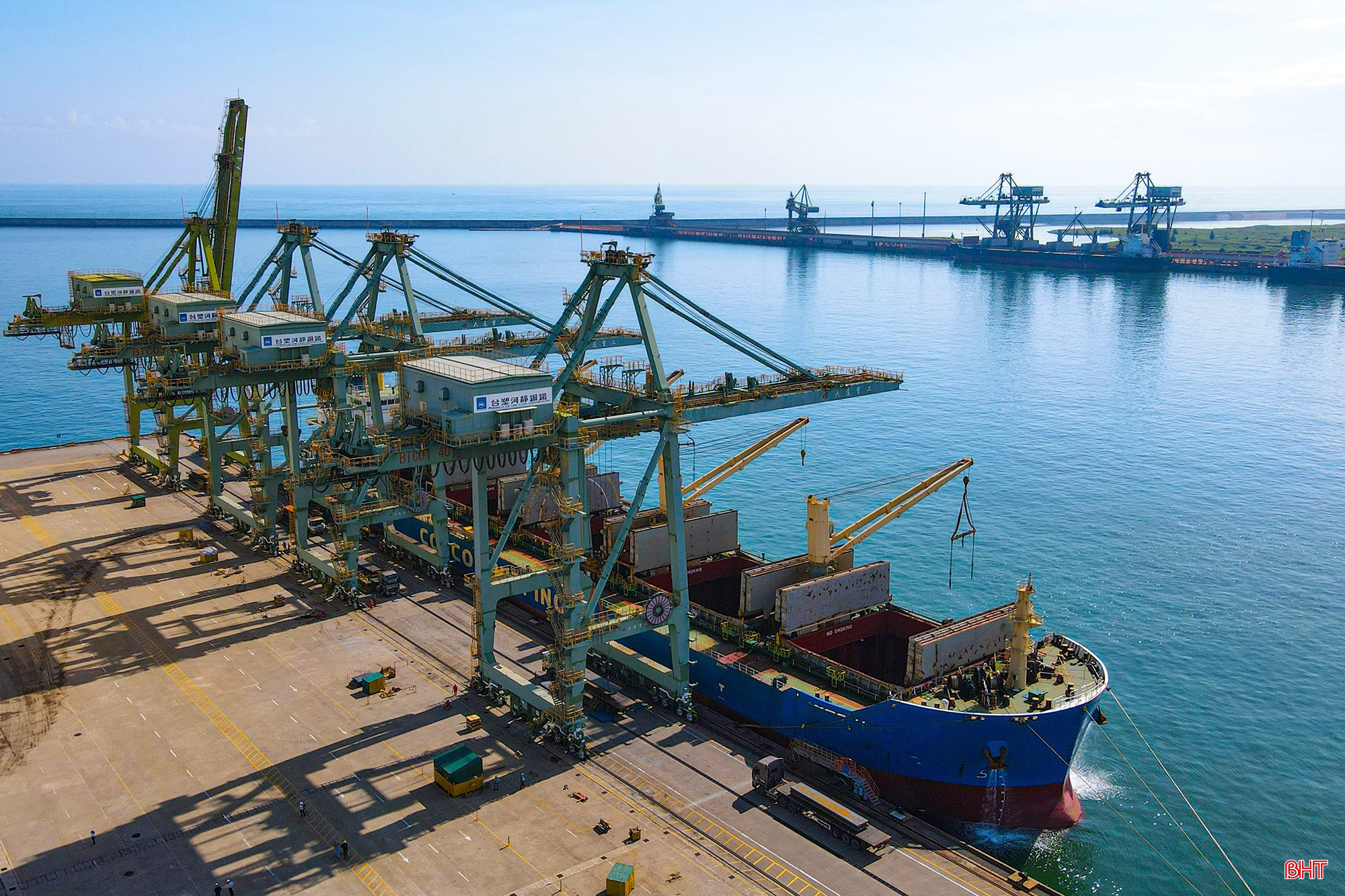
The Vung Ang – Son Duong deep-water port system is capable of receiving large-tonnage vessels.
FOR LEADING ENTERPRISES TO TRULY PULL THE WHOLE ECONOMY FORWARD
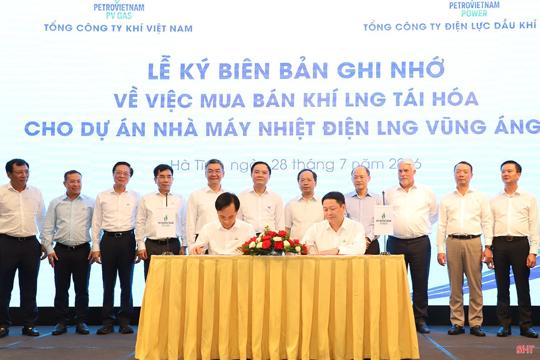
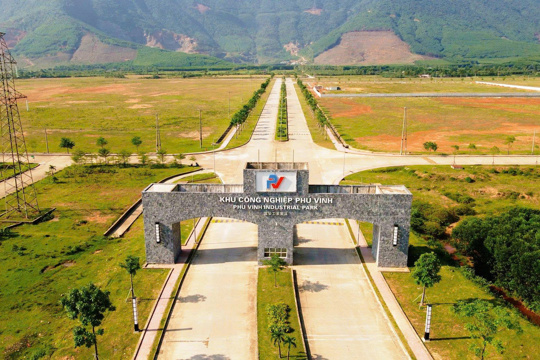
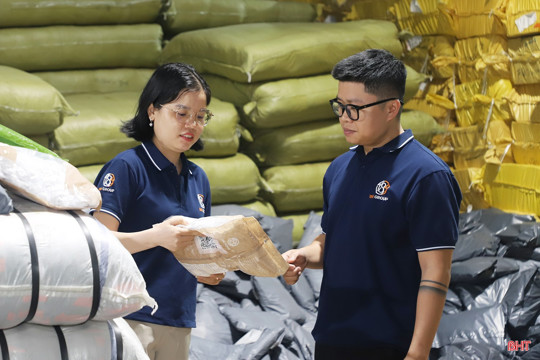
Ha Tinh has significant advantages from its industrial, energy and seaport systems and the driving production projects in Vung Ang Economic Zone. However, the presence of large-scale factories does not automatically create a strong local business ecosystem; what matters is whether enterprises in the province can join supply chains, meet technical standards and gradually take on higher-value stages. Therefore, instead of only organizing matchmaking meetings, the province should promote a supplier development program based on actual orders. Large factories would publicize relevant groups of needs; competent agencies, together with associations and specialized units, would assess enterprises’ capacity and then support them in improving processes, quality management, human resource training, product testing and market access.
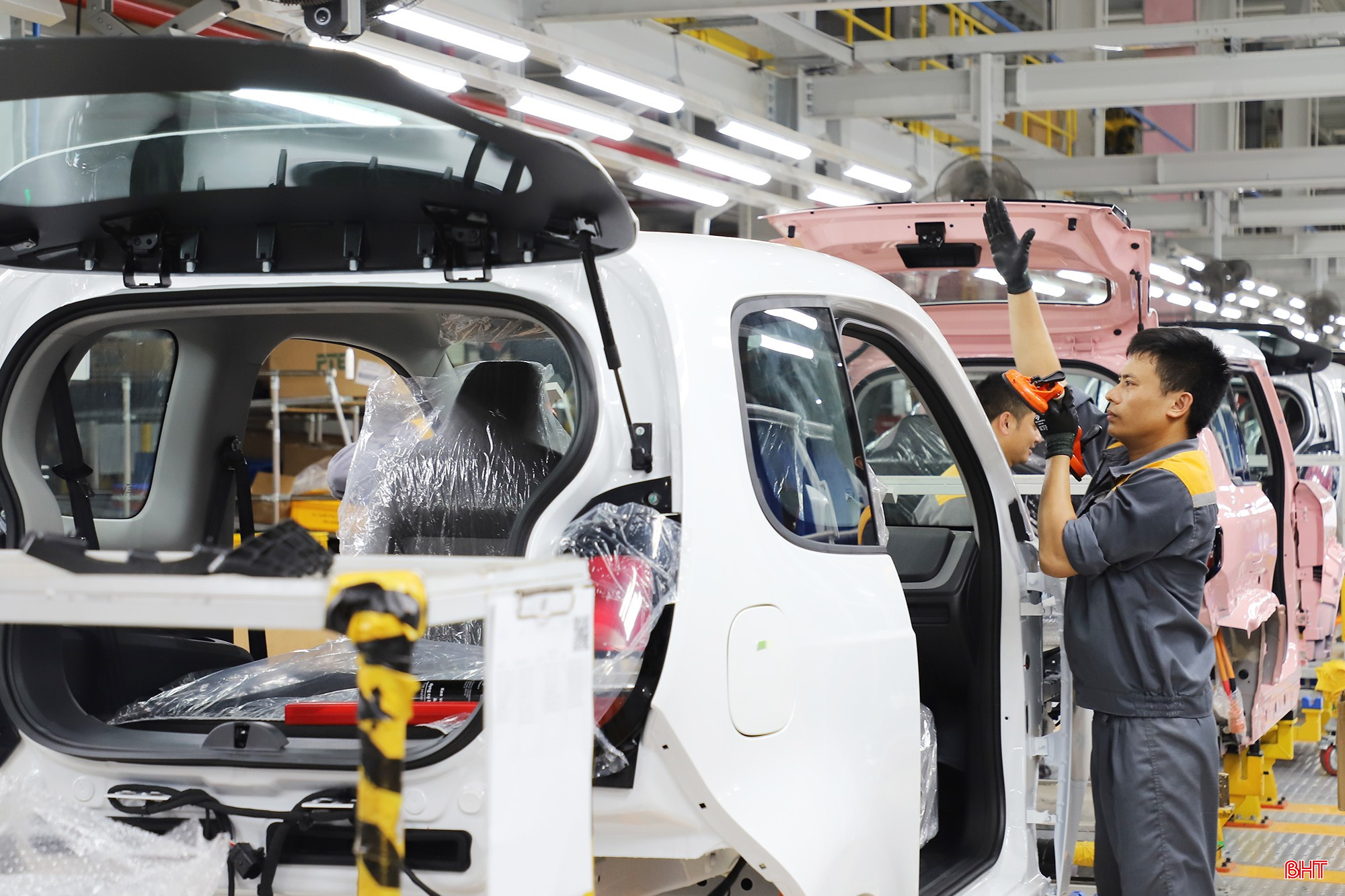
VinFast entered the group of the province’s 10 largest taxpayers for the first time.
The starting point could be mechanical engineering, auxiliary materials, transport, warehousing, maintenance, technical services and products serving workers. As they gain experience, enterprises can participate more deeply in components, equipment, testing and automation. The goal is not to force large enterprises to buy locally, but to help Ha Tinh businesses compete on quality, cost and reliability. The success of this approach must be reflected in the number of contracts executed, supply revenue, productivity and stable jobs, rather than in the number of conferences or memoranda of understanding. Local businesses also need to expand their customer base outside the province to avoid depending on a single factory.
Along with industry, agriculture and rural areas cannot stand outside the flow of development. For rice, added value comes not only from higher yields but also from timely collection, drying, storage, processing and organized marketing. Reducing post-harvest losses, improving quality and establishing stable contracts can help producers increase their income without necessarily expanding their cultivated area. This mindset should also be applied appropriately to livestock, forestry, fisheries and specialty products. Cooperatives must become focal points for doing what individual households find difficult to do on their own: standardizing quality, joint purchasing, collection, storage and negotiating with the market. Support policies should focus on the links that create real value instead of spreading resources thinly across many models that lack the ability to operate independently.
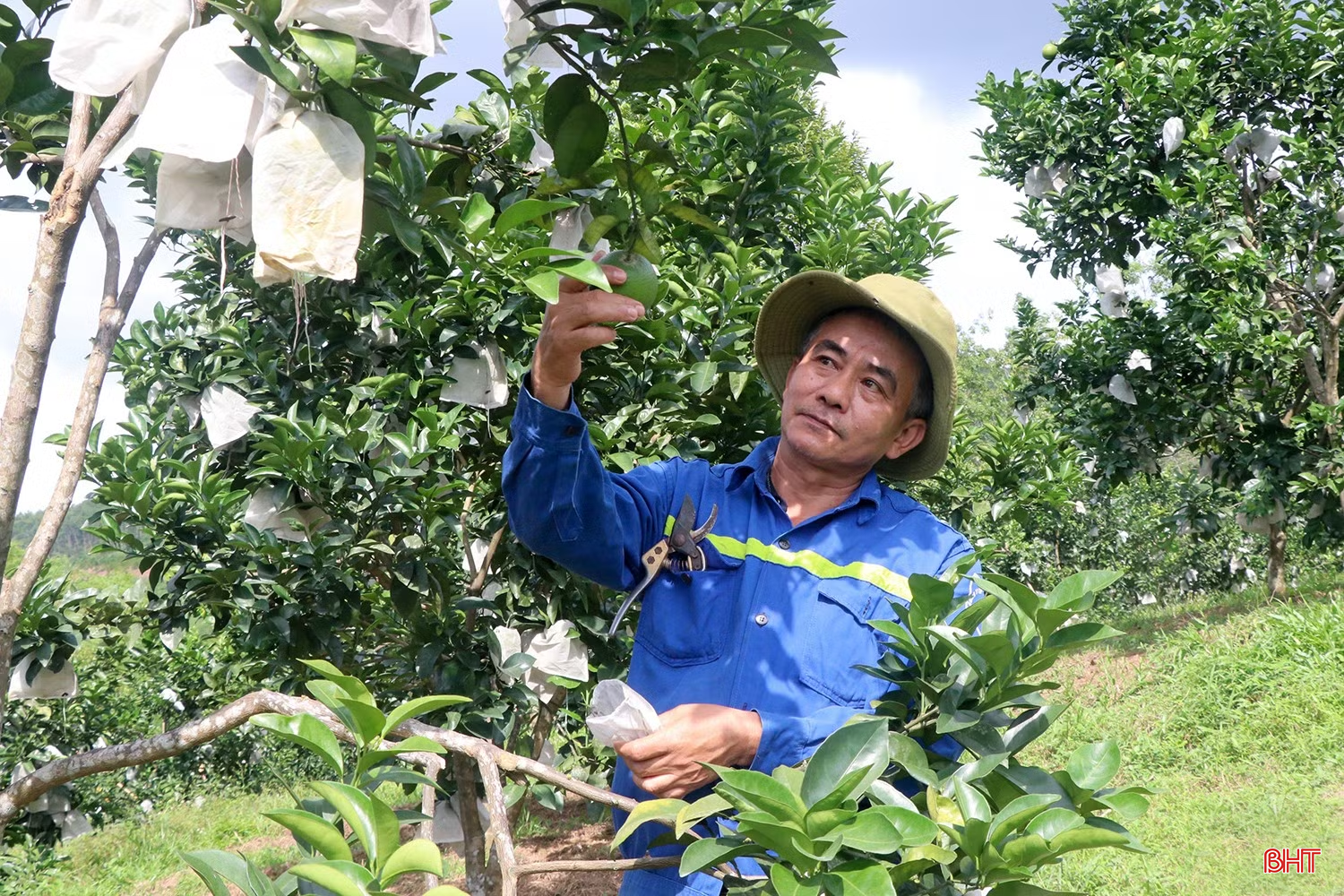
Dong Loc commune is gradually shaping its crispy orange growing area toward intensive farming.
Another driving force is services for production and quality of life. The more industry develops, the greater the demand for logistics, vocational education, healthcare, housing, commerce, information technology and urban services. If well organized, this is both a market for local businesses and a condition for retaining skilled workers. In tourism, the advantages of the sea, ecology and cultural heritage need to be turned into products with real customers, length of stay and spending.
MEASURING DEVELOPMENT BY PRODUCTIVITY AND PEOPLE’S LIVES
For high growth to become a long-term foundation, budget management must be closely tied to nurturing revenue sources. Revenue from land and one-off or extraordinary revenues are of some significance for annual budget balancing, but cannot be regarded as regular revenue sources for expanding long-term spending commitments. A sound local public finance system must rely increasingly on an efficient, law-abiding production and business sector.

Quality growth means people must more clearly enjoy the fruits of development.
Public investment resources should therefore prioritize connectivity infrastructure, natural disaster prevention, training aligned with business needs, shared data and works serving multiple stakeholders. Each project needs to clearly answer what bottleneck it removes, who benefits, what its operating costs will be and how its post-investment effectiveness can be verified. Avoiding the scattering of investment also means creating room for the truly important work.
Along with GRDP and budget revenue targets, it is necessary to closely monitor the number of enterprises in genuine operation, labor productivity, stable employment, income after price fluctuations, supply contracts of local businesses and resilience to natural disasters. Science and technology and digital transformation should be assessed by their practical effectiveness: reducing product defects, saving time, costs and energy, and improving the quality of public services.
Ha Tinh already has significant growth drivers. The next stage is not simply about attracting more capital, building more factories or adding more percentage points to GRDP; what is needed more is to build an economy with many competitive enterprises, prosperous rural areas, stable budget revenue and people who more clearly enjoy the fruits of development. Rapid growth is welcome, but substantive development is the real destination: large projects do not stand alone but become a pulling force for local businesses; budget growth goes hand in hand with production capacity; and economic results are ultimately measured by the opportunities and ever-improving lives of the people.