Adjustments Made to Ha Tinh Provincial Master Plan for 2021–2030, Vision to 2050
Adjustments Made to Ha Tinh Provincial Master Plan for 2021–2030, Vision to 2050
(Baohatinh.vn) — The Ha Tinh Provincial Master Plan for the 2021–2030 period, with a vision toward 2050, has undergone significant revisions across key metrics, development space, economic corridors, functional zone development plans, and urban-rural orientation.
According to a resolution recently passed by the Provincial People's Council, the adjustments aim to ensure sync and consistency with the National Master Plan, national sector plans, and the North Central Coast regional plan, while meeting the requirements for fast, sustainable, and comprehensive development in the new era.
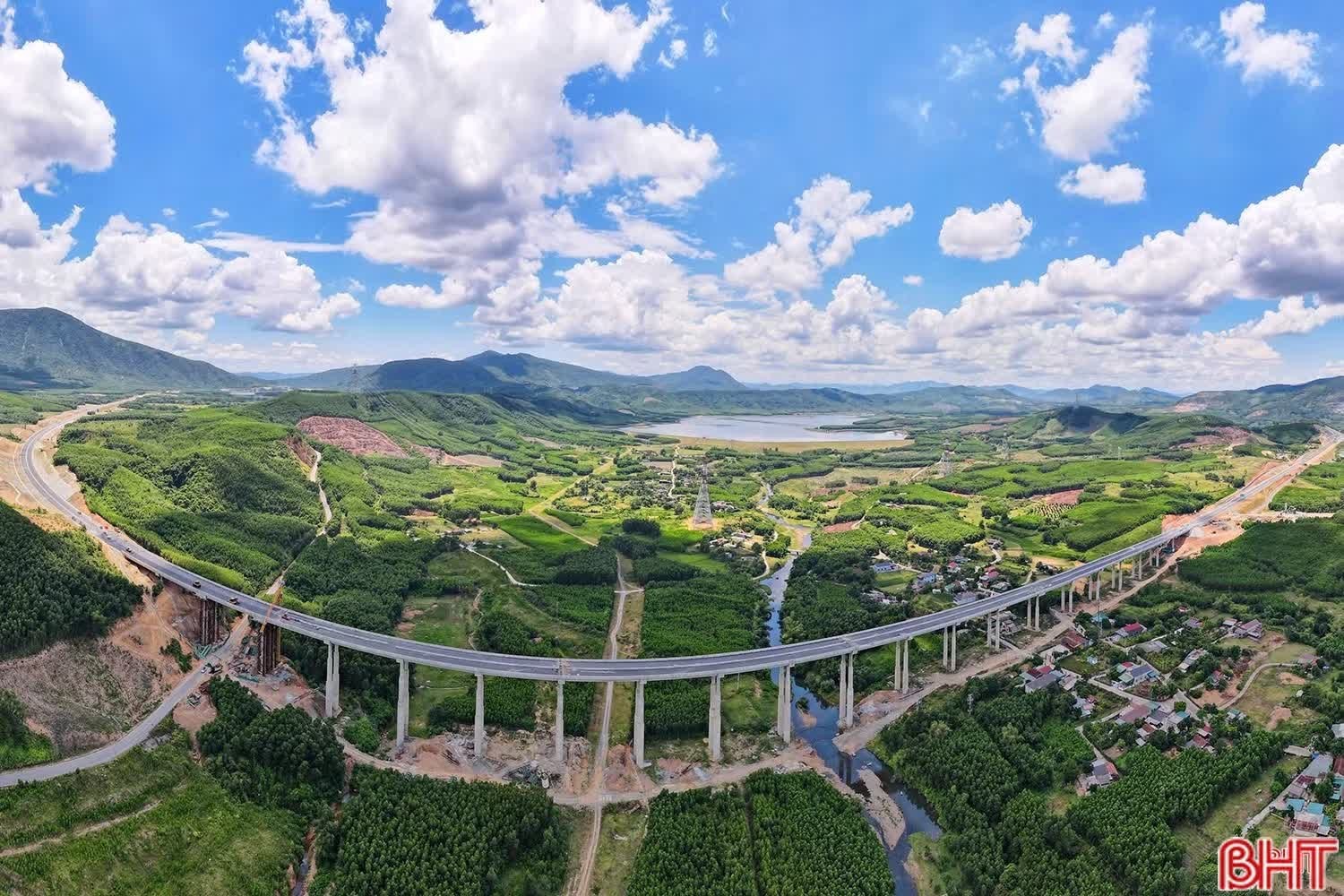
The Ha Tinh Provincial Master Plan has been adjusted to ensure alignment and consistency with the National Master Plan, national sector plans, and the North Central Coast regional plan.
Accordingly, several key development targets have been revised and supplemented. Specifically, the average economic growth rate for the 2026–2030 period is targeted at 10% or higher; average GRDP per capita is projected to reach VND 180–185 million by 2030; the digital economy is set to account for 20% of GRDP; the Human Development Index (HDI) is expected to reach approximately 0.76; and the multidimensional poverty rate is targeted to drop by at least 1.5% annually.
The updated plan adds five key tasks and three strategic breakthroughs. The key tasks focus on enhancing governance efficiency and improving the investment environment; restructuring the growth model; expanding the business sector; raising workforce quality and social welfare; and promoting international cooperation and integration alongside national defense and security.
The three strategic breakthroughs comprise: comprehensive digital transformation; high-quality human resource development; and synchronized, modern infrastructure development.
In terms of spatial development, the province has adjusted its layout into five economic regions: the Central Economic Zone; the Northern Economic Zone; the Southern Economic Growth Engine Zone; the Sustainable Ecological, Agricultural, and Forestry Economic Zone; and the Integrated Marine Economy and Marine Conservation Zone.
In addition, four economic corridors have been established and refined: the Coastal Dynamic Corridor; the East–West Economic Corridor; the Ecological Corridor; and the Southern Border Connector Corridor.
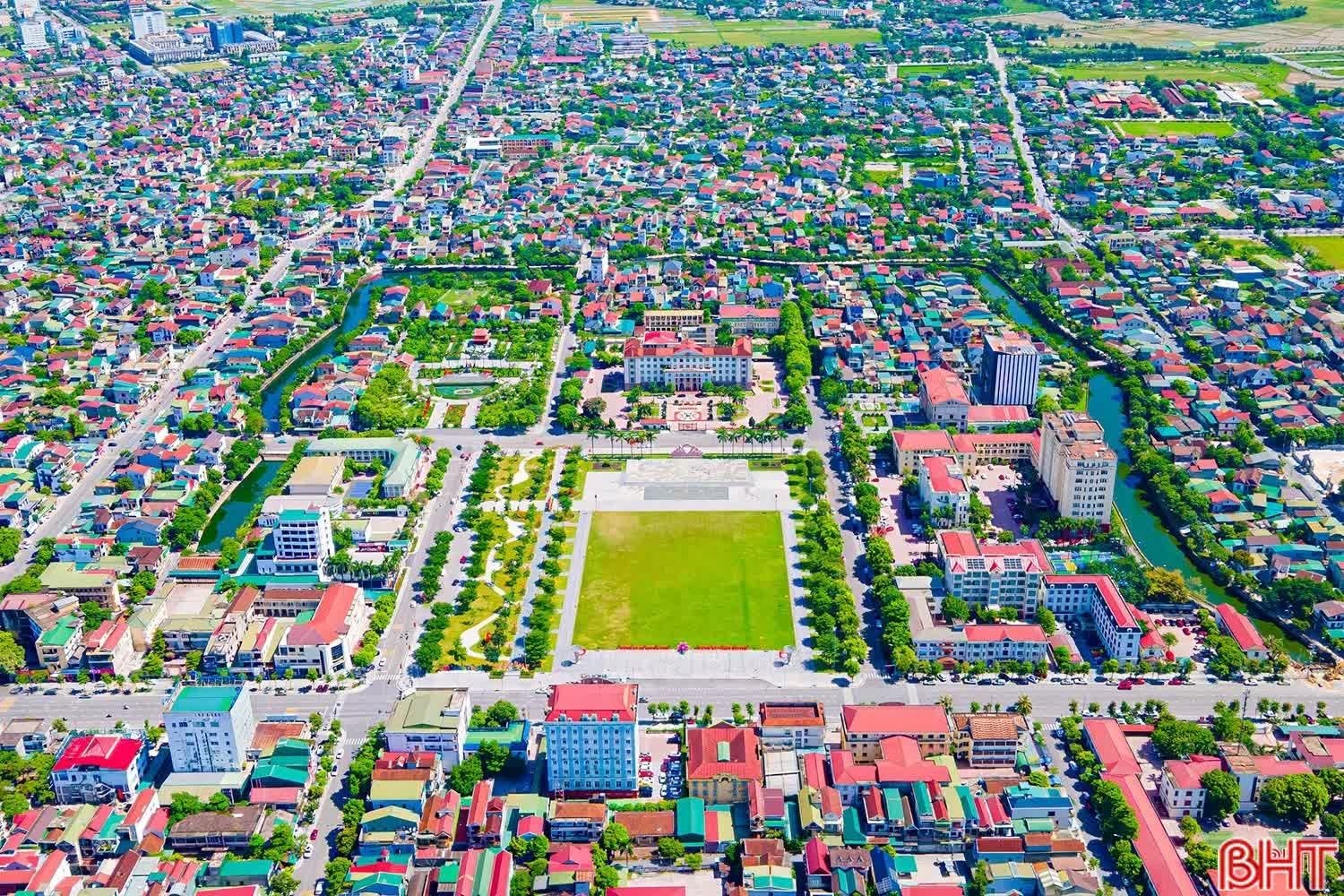
According to the adjusted plan, the province will have 15 urban centers and one new urban area by 2030.
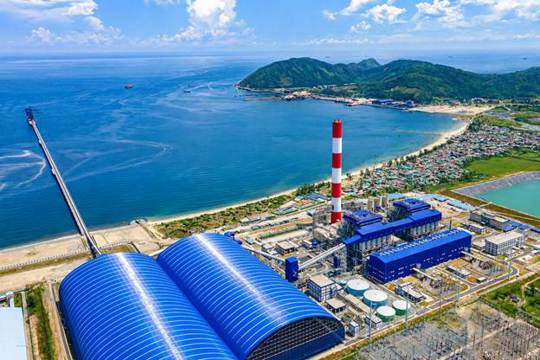
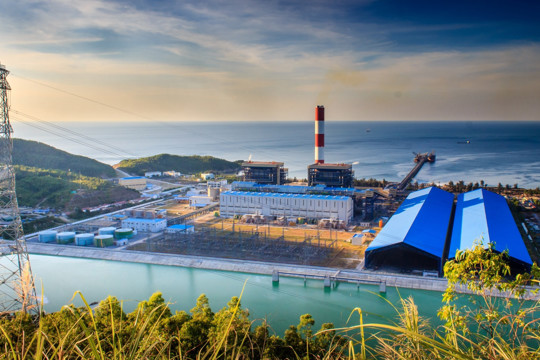
The plan revises and adds key economic sectors driving future growth, categorized into four groups: core sectors leading provincial economic growth; sectors with high growth potential and comparative advantages; emerging sectors fostering long-term momentum; and supporting services linked to value chains. Notably, this includes the orientation to develop an Eco-Industrial and Energy Hub at the Vung Ang Economic Zone.
The adjusted plan also reshapes the urban system around three strategic urban zones and four development axes. By 2030, the province is projected to have 15 existing urban centers and one new urban area, including two Class II urban centers.
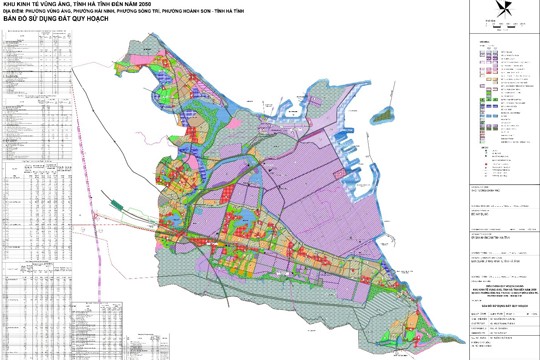
Regarding functional zones, a key highlight is the expansion of the Vung Ang Economic Zone from 22,781 hectares to approximately 72,998 hectares. The province will also study the establishment of a free trade zone and a free economic zone in Vung Ang, as well as the Ha Tinh–Bolikhamsai Border Economic Cooperation Zone when conditions are met.
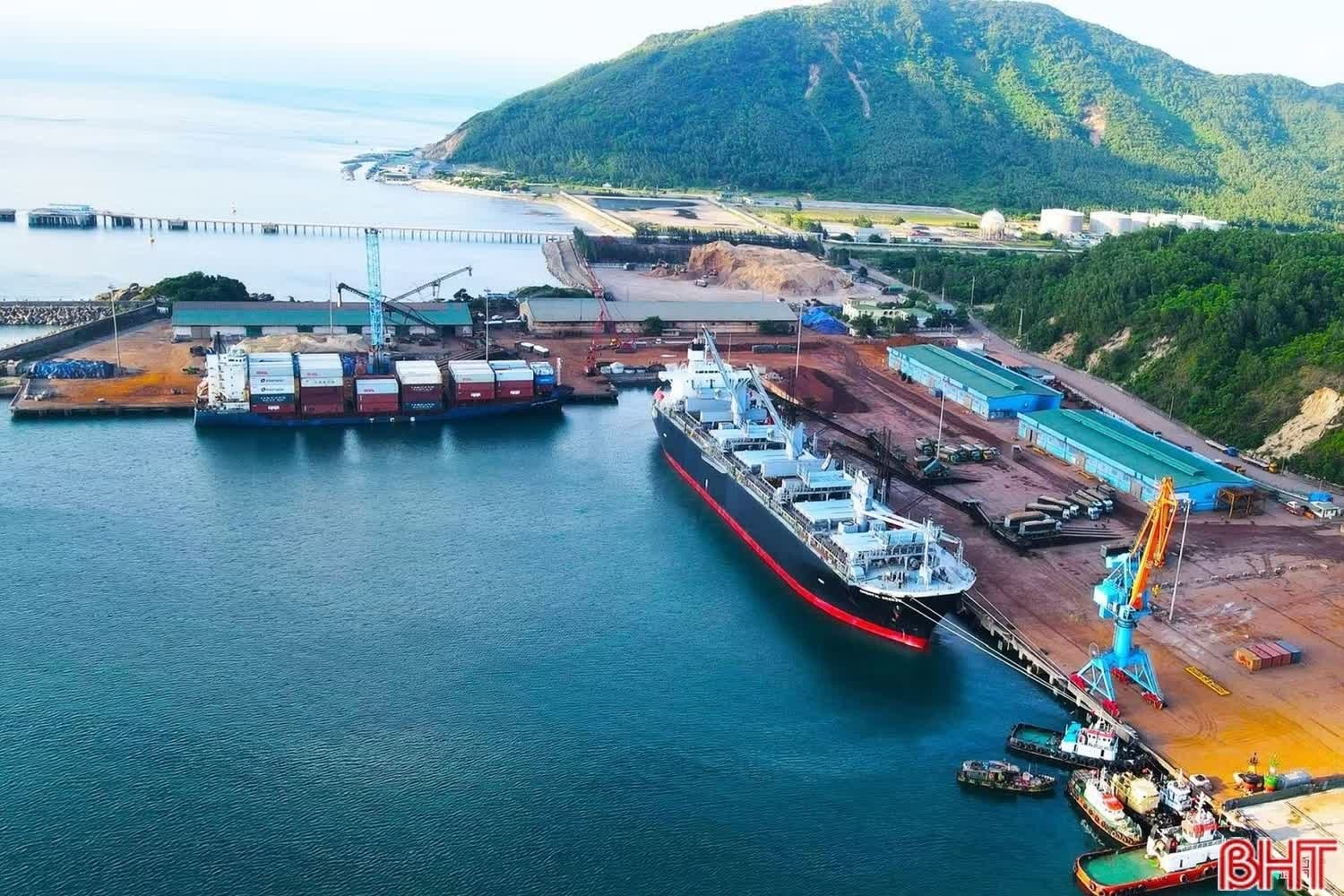
The adjusted plan expands the size of the Vung Ang Economic Zone from 22,781 hectares to approximately 72,998 hectares.
Technical infrastructure continues to be expanded, including feasibility studies for an expressway connecting to the Cau Treo International Border Gate, as well as potential airport planning in Yen Hoa and Thien Cam communes. The plan also updates the power supply system in alignment with national power planning and proposes a waste-to-energy plant with a capacity of 15–30 MW.
Furthermore, the updated master plan outlines development orientations for education, healthcare, science and technology, and culture. Highlights include building an international artificial intelligence data center and relocating the Provincial General Hospital to a new site. It also adjusts land-use guidelines, mineral exploitation plans, and waste treatment facility developments, alongside refining execution strategies to fit the new development context.